Bringing together leading forensic practitioners, investigators, researchers and technology experts for two days of expert-led sessions exploring the latest developments in forensic science and criminal investigation.
Forensics Europe Expo 2026 Conference Programme
New and old methods to detect deepfakes before they enter the courtroom
Date: 1 July 2026
Time: 11:00 - 11:30
Location: Theatre 1
In this session, we will discuss the usage of Artificial Intelligence for the creation and processing of digital media evidence. Illegal activities associated to this new technology are a real burden for the criminal justice system.
You will learn how deepfakes are created and understand the concepts beyond Generative Adversarial Networks (GAN’s) and "text-to-image" stable diffusion. You will learn how the provenance of the evidence plays a pivotal role in determining its authenticity. We will also discuss how neural networks can be trained to spot deepfakes and how we can still use older authentication methods, such as shadows, reflections and perspective analysis, to find evidence of AI manipulation.
Speaker: Presented by Amped
Harvesting, Preserving and Presenting the Scene : Using the forensic digital twin to reduce conscious bias.
Date: 1 July 2026
Time: 12:00 - 12:40
Location: Theatre 1
Discover how the “forensic digital twin” is transforming crime scene work. Explore how advanced 3D capture and spatial data technologies allow investigators to preserve scenes with total accuracy, reduce conscious bias, and revisit evidence long after the scene has gone.
This session demonstrates how forensic digital twins improve objectivity, strengthen court presentation, and safeguard the integrity of evidence from scene to courtroom.
Speaker:
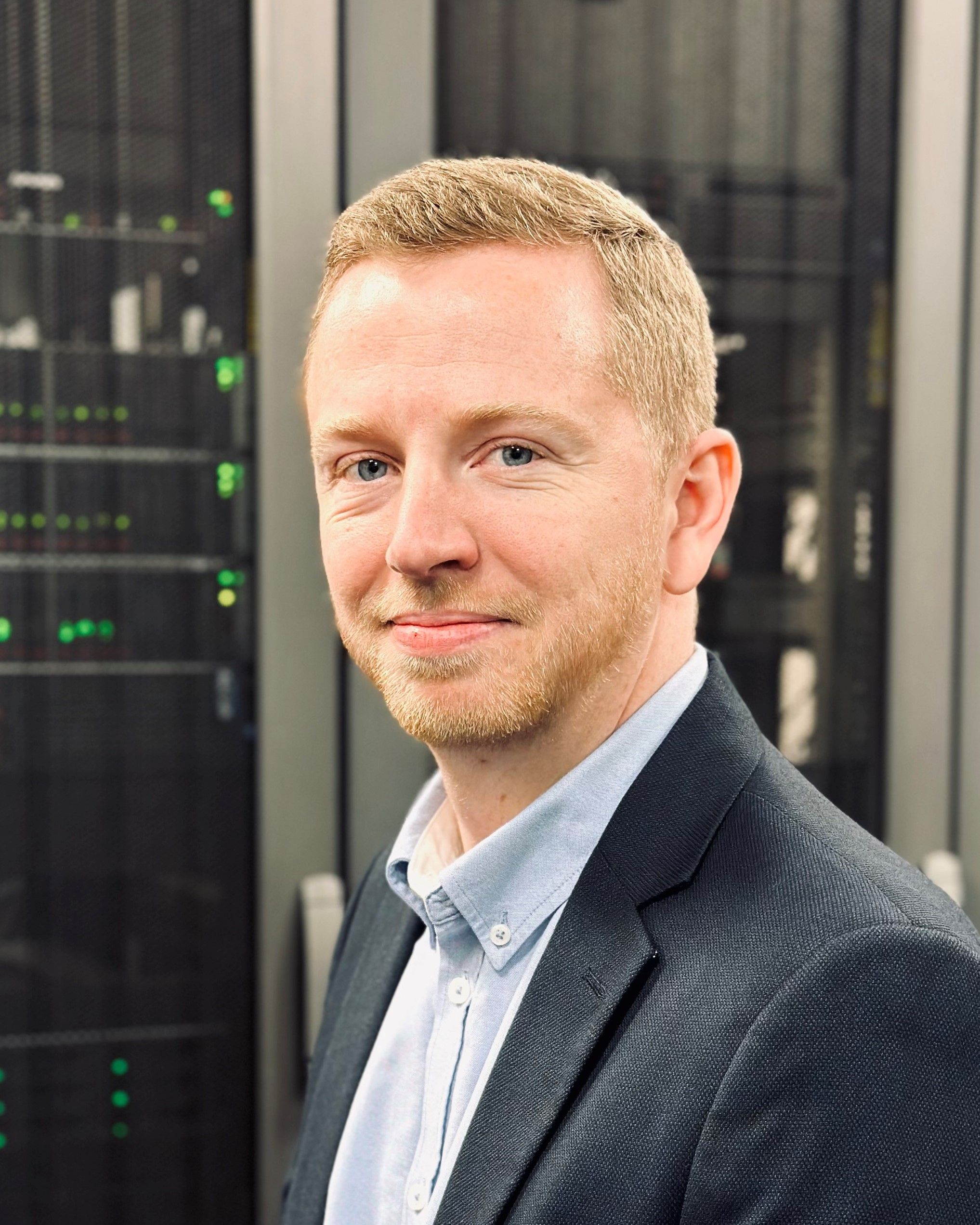
Marcus Rowe, Business Director - Public Safety & Forensics, Leica Geosystems
Inside the Modern Forensic Laboratory: New Technologies Transforming Evidence Analysis
Date: 1 July 2026
Time: 12:10 - 12:55
Location: Theatre 2
Forensic laboratories remain at the core of modern criminal investigation, providing the scientific analysis that transforms physical evidence into reliable, court-admissible intelligence. This panel brings together leading forensic technology and product companies developing the next generation of laboratory-based scientific tools and solutions used by forensic scientists around the world.
Representatives from pioneering companies will explore advances in areas such as DNA analysis, toxicology, trace evidence examination, digital laboratory workflows, and automated evidence processing. As the demand for faster, more accurate results increases, new technologies are helping laboratories manage growing case volumes while maintaining the highest standards of scientific integrity and evidential reliability.
This session will provide valuable insight into how innovation providers are supporting forensic practitioners with tools that enhance accuracy, efficiency, and evidential robustness, ensuring that laboratory science continues to play a critical role in delivering justice.
When the Evidence Isn't Enough: Behavioural Fusion and the Bryan Kohberger Case
Date: 1 July 2026
Time: 13:25- 13:55
Location: Theatre 2
The Bryan Kohberger investigation mobilized some of the most powerful investigative resources in the United States. Millions of dollars. National agency support. Cutting-edge Investigative Genetic Genealogy that cracked the identity of the suspect. Investigators were drowning in evidence - cellular data, digital records, behavioural patterns spanning months. And yet, when it reached the courtroom, the prosecution brokered a plea deal rather than risk a trial it could not guarantee winning. The question this presentation asks is simple: why? The answer is not about evidence volume. It is about structure. Investigators had data. What they lacked was a governed framework for translating that data into defensible behavioural meaning. Pattern of life analysis was applied, but without the constraints that make it courtroom-proof. Behavioural assertions were made that the underlying evidence could not fully support. And when that gap was exposed, the prosecution's position became untenable. This presentation walks through how that happened, what Behavioural Fusion identifies as the critical failure points, and why the absence of structured methodology cost a high-profile case its day in court. It is not a criticism of the investigators. It is a lesson every modern investigation needs to hear - because resources alone have never been the missing ingredient - Structure has.
Speaker:
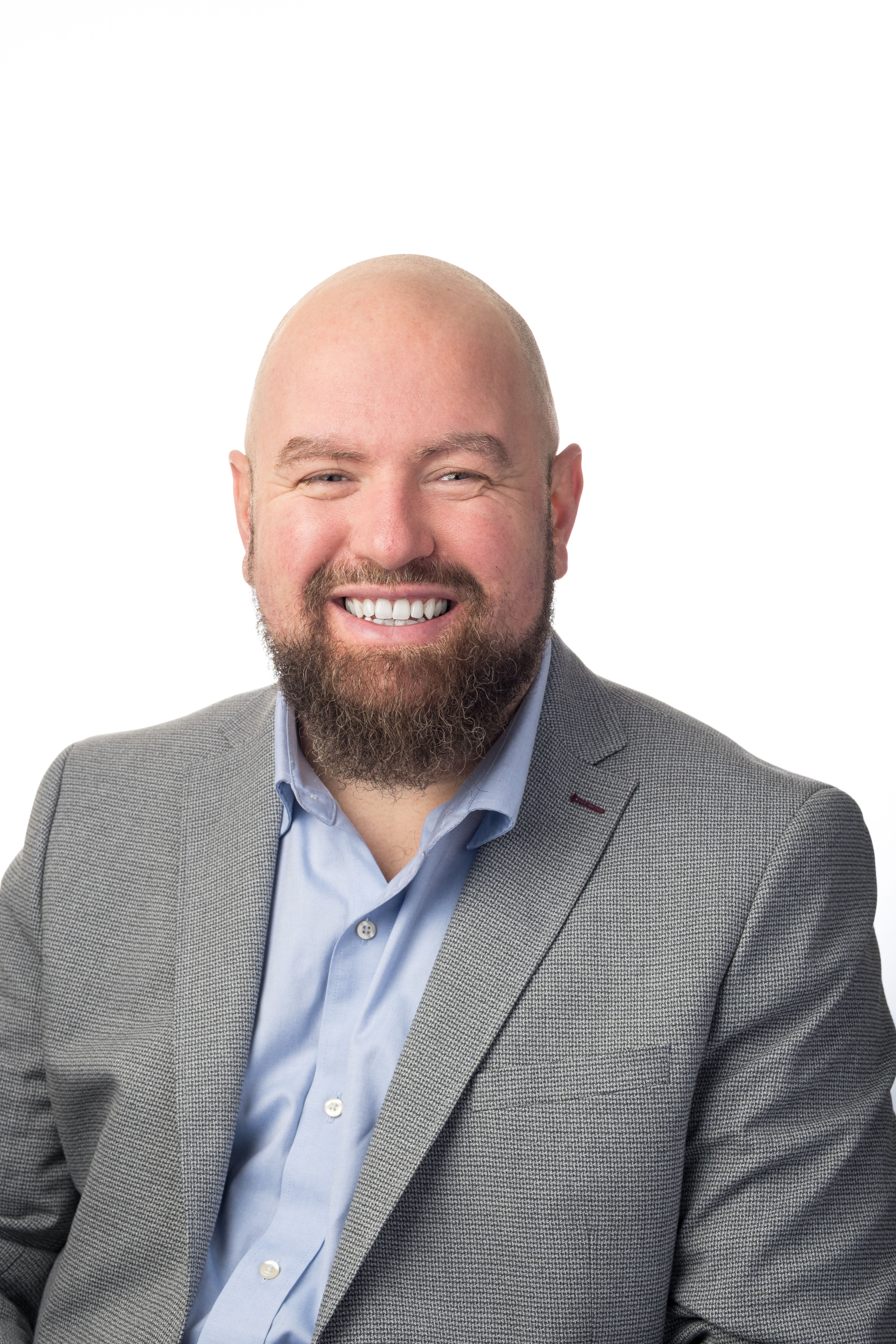
- Sy Ray, Chief Operating Officer, Virnous Corporation
Regulating the Future of Forensics
Date: 1 July 2026
Time: 14:10 - 14:55
Location: Theatre 1
With the statutory powers introduced through the Forensic Science Regulator Act 2021 and the implementation of Version 2 of the Code of Practice in October 2025, the regulatory environment for forensic science in the UK is undergoing significant change.
This panel discussion will explore what these changes mean for forensic service providers, police forces and suppliers. The discussion will focus on compliance, accreditation, operational impact and how regulation is helping to strengthen confidence in forensic evidence across the criminal justice system.
Speakers:
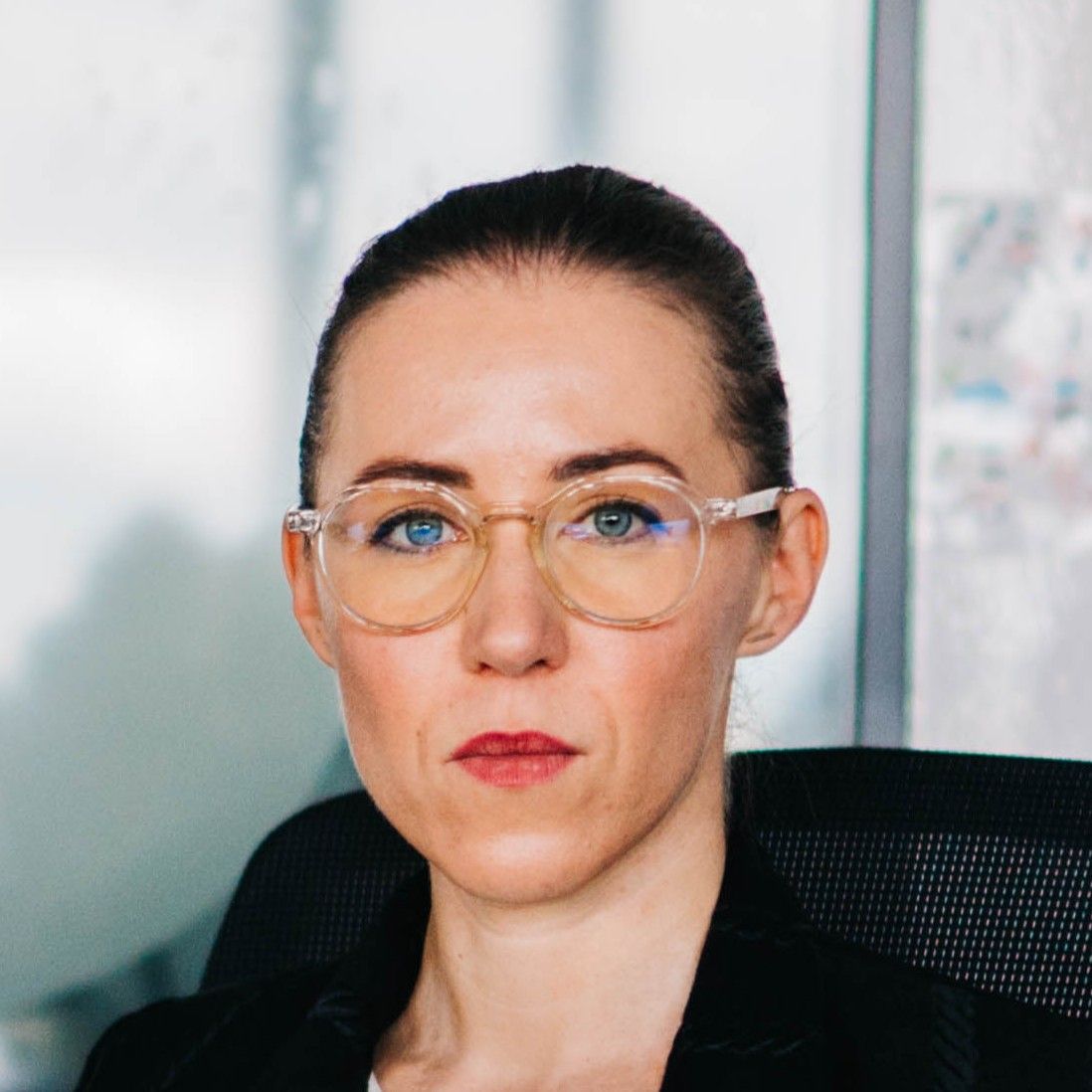
- Amanda-Jane Balfour, Director of Forensic Sciences, UK Home Office
Darrell Matthews, Chief Executive Officer, The Chartered Society of Forensic Science
The Curious Case of the Singing Cactus
Date: 1 July 2026
Time: 15:30 - 16:00
Location: Theatre 1
This session explores the forensic potential of everyday “smart” toys through the analysis of a popular Singing Cactus device. We’ll examine how the toy records, stores, and retains audio data, and what can realistically be extracted from it. Attendees will gain insight into whether such consumer gadgets can provide usable evidence, the limitations of their data, and the challenges they present in an investigative context. This fascinating and fun talk highlights how seemingly harmless novelty items may—or may not—play a role in modern digital forensics.
Speaker:
- Adam Newberry, Course Leader in Digital Forensic Investigations, University of Staffordshire
The Art and Science of Victim Identification
Date: 2 July 2026
Time: 11:00 - 11:45
Location: Theatre 1
In this session we examine best practice in Disaster Victim Identification, in particular from the lens of forensic expertise. From mass-casualty incidents to complex international deployments, this session explores coordination, technology, ethics, innovation and resilience. Drawing on frontline experience, we will discuss how agencies prepare, respond, and recover - ensuring dignity for victims and clarity for families under the most challenging circumstances.
Chairperson:
Jon Marsden, National DVI Coordinator, National Disaster Victim Identification Unit
Speakers:
Dr Julie Roberts, Associate Professor in Forensic Anthropology at Liverpool John Moores University and Scientific Advisor at Forensic Access
Professor Caroline Wilkinson, Professor of Craniofacial Identification and Director of the Forensic Research Institute, Liverpool, John Moores University
Melanie Clarkson, Group Captain Principal Dental Officer East Region , RAF Cranwell
Darren Salter, HM Senior Coroner, Oxfordshire
Silent Witnesses: The Power of Plants in Criminal Investigation
Date: 2 July 2026
Time: 12:15 - 12:45
Location: Theatre 1
An eye-opening look at how plant science can provide powerful intelligence in criminal investigations. Using anonymised real-world casework, this session reveals how pollen, seeds, soil flora and vegetation patterns can link suspects to locations, establish timelines, and provide significant evidence in court.
Crucially, this session shows how the presence of a forensic botanist, alongside other experts like forensic archaeologists, at the scene of crime can actively guide detectives and crime scene managers in real time. By reading the botanical history of an area - growth cycles, disturbance patterns, root structures, and the age of foliage - a botanist can identify where ground has been recently disturbed, where a body may have been concealed, or where evidence is most likely to be located. The result is a more focused, scientifically directed investigation: reducing unnecessary excavation, cutting search time, lowering costs, and improving evidential yield.
Speaker:
Mark Spencer, Consultant/Forensic Botanist, The Botany Consultancy
Nature’s Data: Harnessing Biological and Environmental Intelligence for Modern Forensics
Date: 2 July 2026
Time: 14:20 - 15:05
Location: Theatre 1
Biological, ecological, soil and landscape data represent an emerging form of “big data” with significant potential to transform criminal investigations and strengthen humanitarian recovery, investigation of war crimes as well as national and global security. Advances in environmental DNA (eDNA), biodiversity databases, geospatial mapping and ecological monitoring are enabling investigators to extract, analyse and evaluate valuable intelligence from natural environments. This seminar explores how biological and environmental datasets can be analysed alongside traditional forensic intelligence and evidence to identify locations, track movements, detect environmental traces and support investigative decision-making and the prioritisation of collection of trace evidence. Experts will discuss current and developing capabilities, real-world applications and the future role of ecological intelligence in policing, border protection and security operations.
Chairperson:
Speaker:
Professor Dame Lorna Dawson, Head of the Centre for Forensic Soil Science , James Hutton Institute
Inside the Digital Forensics Toolkit: New Technologies Transforming Investigations
Date: 2 July 2026
Time: 12:10 - 12:45
Location: Theatre 2
As the volume and complexity of digital evidence continues to grow, investigators and analysts must rely on increasingly sophisticated tools and techniques to uncover critical information. This panel brings together leading companies at the forefront of digital, mobile, and data forensics, showcasing the latest technologies that enable law enforcement, intelligence agencies, and investigative teams to extract, analyse, and interpret data from an ever-expanding range of digital sources.
Experts from across the sector will discuss how innovations in device extraction, cloud data analysis, AI-assisted investigation, and large-scale data processing are transforming the way digital evidence is collected and used. The session will explore practical applications, emerging challenges, and the role of forensic technology in tackling modern crime.
Attendees will gain insight into the next generation of forensic capabilities, including tools designed to handle encrypted devices, analyse complex datasets, and streamline investigative workflows. The discussion will also highlight the importance of maintaining evidential integrity, ensuring legal compliance, and adapting to rapidly evolving digital ecosystems.
This panel offers a unique opportunity to hear directly from technology leaders shaping the future of digital investigation and to understand how cutting-edge forensic solutions are supporting more effective, data-driven policing and security operations.
*Please note: the programme is subject to change. Additional sessions and speakers will be added as the agenda continues to develop.
Get involved with Forensics Europe Expo 2026
Register for your FREE ticket
Secure your place today and unlock the insight, connections and free expert-led education shaping modern forensic practice, for you and your team.
Enquire about exhibiting
Engage with senior forensic leaders, laboratory directors, digital specialists and investigative decision-makers across two focused days of high-value networking and commercial opportunity.